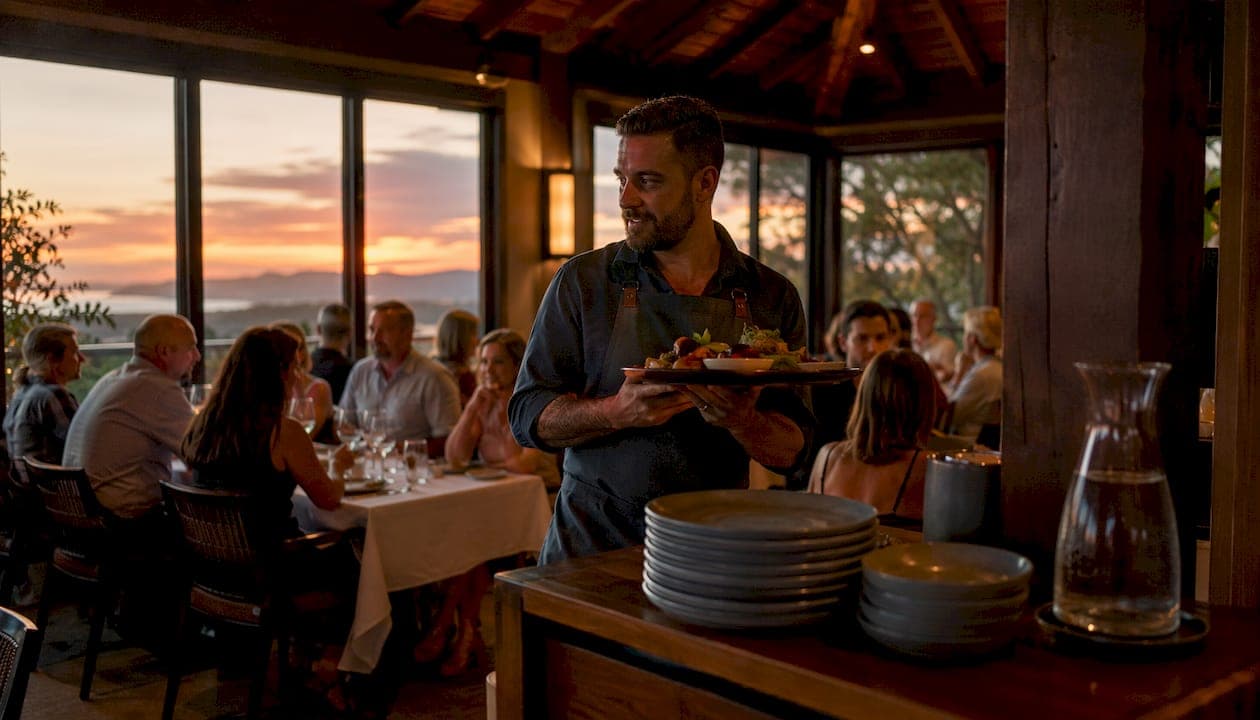
Your restaurant's value proposition is the single clearest reason a customer chooses you over the place next door. It is not your tagline. It is not "great food and friendly service." It is the specific, honest answer to: why you, and not anyone else? Get that answer wrong, or leave it vague, and every marketing dollar you spend works against a blurry target.
A strong restaurant value proposition does four things:
- Defines the unique benefit your restaurant delivers to a specific customer
- Separates you from competitors on something real, not aspirational
- Guides operational decisions, from menu design to staffing to décor
- Gives your marketing a single, consistent message to build around
Operators without a focused value proposition often compete on too many fronts at once, which dilutes brand perception and wastes resources. One sharp promise, consistently delivered, beats five vague ones every time.
Seven effective restaurant value propositions to consider
1. Loyalty and rewards programs
Many adults say they would likely join a loyalty program if offered by a favorite local restaurant, with an even higher proportion among Gen Z and millennials. Points, referral rewards, and exclusive access give customers a concrete reason to return rather than wander.

2. Smaller portions at lower prices
A large portion of adult customers say they would order smaller portions if offered at a lower price. This proposition manages food costs while expanding your accessible price range, particularly useful in Queensland's cost-conscious casual dining segment.
3. Off-peak discounts and slow-day deals
Many adults say they would take advantage of discounts on less busy days. Monday and Tuesday specials fill seats that would otherwise sit empty, and they are easy to promote through Instagram Stories or a Google Business post.
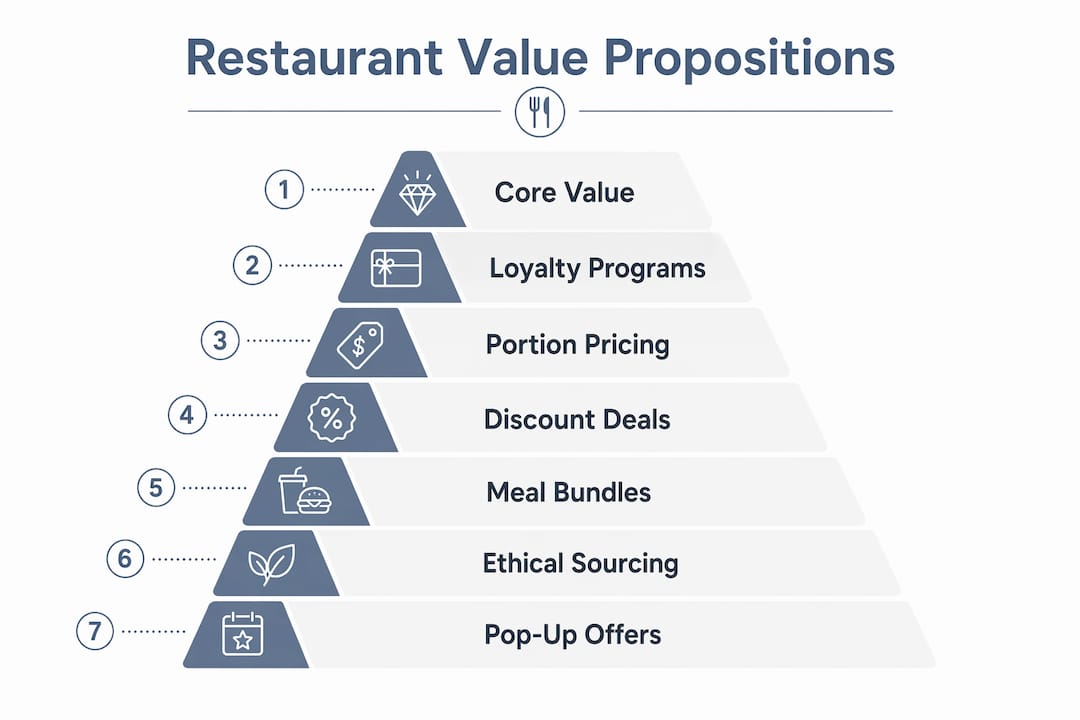
4. Multi-course meal bundles for takeout or delivery
A significant portion of adults say they would order multi-course bundles if offered. A starter, main, and dessert package at a fixed price lifts average ticket value and introduces customers to menu items they would not have ordered individually.
5. Ethical sourcing and local ingredients
Specific, actionable differentiators like local sourcing and dietary inclusivity outperform broad quality claims. Naming your Queensland beef supplier or your local produce farm on the menu is not just marketing. It is proof.
6. Atmosphere and experience as the core draw
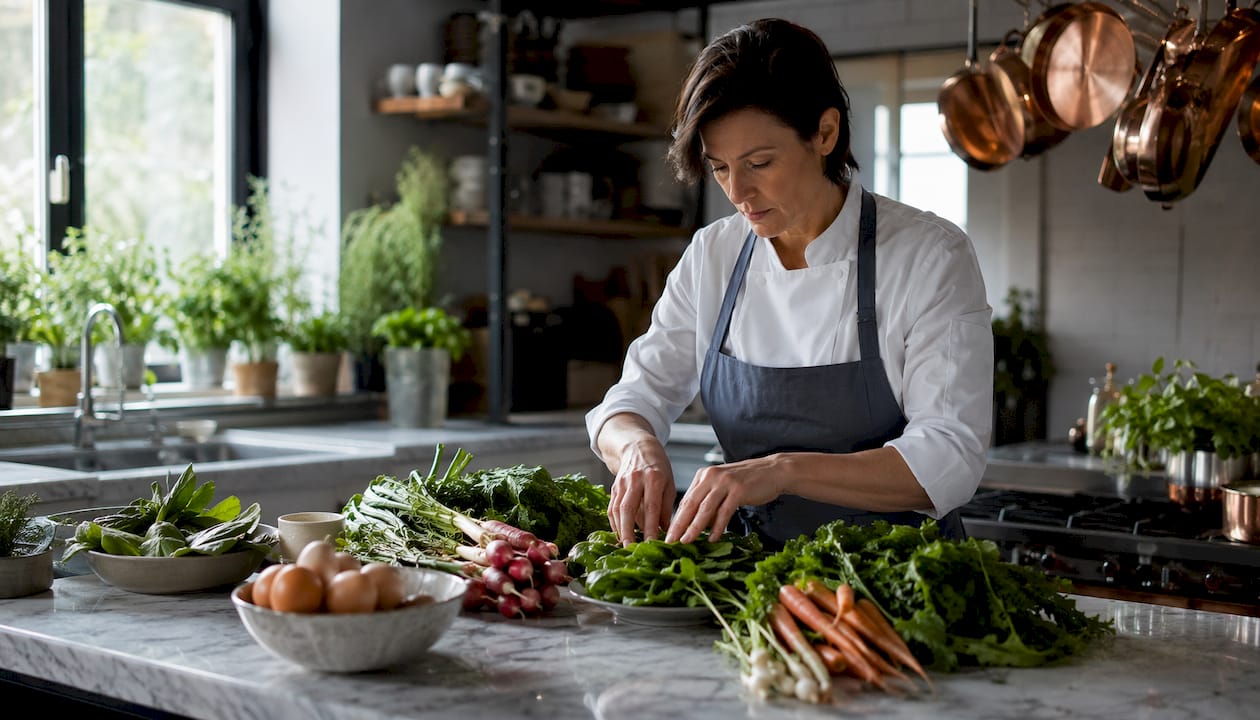
Some restaurants sell the room as much as the food. A rooftop bar, an open-flame kitchen, or a tropical garden setting can be the primary reason a group books. When the experience itself is the differentiator, every design and staffing decision should reinforce it.
7. Pop-up specials and limited-time offers
A majority of adults say they would try pop-up specials if offered nearby. Unexpected, time-limited deals generate social sharing and give chefs room to test new dishes without committing to a full menu change.
How diner expectations have shifted in 2026
The ground has moved under restaurants. For the first time in six years of BCG tracking, getting money's worth ranked as more important to diners than satisfying a craving, with 40% of survey respondents naming value as a top need when choosing where to eat. Price matters, but it is not the whole story. That same BCG survey found that pricing factors account for only 40% of how consumers evaluate restaurant value. The remaining 60% covers quality, portions, service speed, menu variety, and loyalty.
Bain & Company frames the response as a three-layer architecture: breakthrough everyday value, pulses of disruptive limited-time offers, and personalized loyalty rewards. The brands gaining ground right now are running all three simultaneously, not rotating between them.
How to craft a unique value proposition for your Australian restaurant
A clear unique selling proposition for your restaurant starts with honest self-assessment, not a brainstorming session about what sounds good.
- Audit what you already do better than anyone nearby. Ask your regulars, read your reviews, and look at what dishes or experiences people photograph and share. The answer is usually already in your data.
- Define your specific customer. Families celebrating milestones, inner-city professionals on a weeknight, tourists wanting a local experience. A proposition aimed at everyone lands with no one.
- Match your proposition to your operations. If you promise speed, your kitchen layout and staffing model need to back that up. If you promise premium local produce, your supplier relationships and menu pricing need to reflect it.
- Test the one-sentence version. Can you say what makes your restaurant different in a single clear sentence? If it takes three sentences, it is not clear enough yet.
- Apply it as a filter. Every menu addition, décor decision, and hire should pass the test: does this reinforce or contradict our core promise?
Pro Tip: Use your value proposition as a veto. Before adding a new dish, booking a supplier, or approving a promotion, ask whether it strengthens or muddies your core promise. If it muddies it, cut it.
Strong restaurant photography and visual content also play a direct role in communicating your proposition before a customer ever walks through the door. Visuals that match your promise build trust; visuals that contradict it create confusion.
Queensland restaurants that show how it works
Five Brisbane venues illustrate how different value propositions play out in the same market.
| Restaurant | Core proposition | Price point | What makes it distinct |
|---|---|---|---|
| Pawpaw Cafe | Multicultural inclusivity | $ (banquet) | Tropical ambiance, menus for every dietary need, specialty coffees |
| Cloudland | Celebration destination | $$$ | Multiple venues in one site, open-flame cooking, rooftop brewery, event hosting |
| Ma Pa Me | Southeast Asian home cooking, modern twist | $$ (bottomless) | Group celebrations, bottomless weekend packages, cocktail list |
| Libertine Restaurant & Cocktail Bar | French-Vietnamese shared plates | $$ | Pre-show concert dining, 2-for-1 banquet Wednesdays, lively group atmosphere |
| The 203 | Italian family dining, premium beef | $$$ ($70–$310 steaks) | Seasonal Queensland ingredients, Wagyu and Angus focus, homemade pasta |
A few things stand out across these five:
- Pawpaw Cafe leads with dietary inclusivity, a proposition that widens the booking pool rather than narrowing it.
- Cloudland sells a destination, not a single dining room. Multiple venue styles within one address means one booking can serve a dozen different occasions.
- Ma Pa Me locks in the group celebration market with a fixed-price bottomless package that removes the mental math from a night out.
- Libertine Restaurant & Cocktail Bar ties its proposition directly to the local events calendar, capturing pre-concert diners who need a fast, satisfying meal before a show.
- The 203 anchors its identity in premium Australian beef and Italian heritage, with steak prices ranging from $70 to $310 depending on cut and grade.
Common pitfalls and trust factors in value proposition development
The most common mistake is writing a value proposition for yourself rather than for your customer. "Passionate about food" tells a diner nothing. "Brisbane's only restaurant serving Wagyu beef aged on-site" tells them everything.
Watch for these specific errors:
- Overgeneralizing: "Fresh, quality ingredients" describes every restaurant that wants to stay in business. It is not a differentiator.
- Complexity: A proposition with three sub-clauses and a footnote will not survive contact with a hungry customer scrolling Instagram at 6 PM.
- Inconsistency: Promising a premium experience and then delivering a laminated menu with clip art destroys trust faster than a bad review.
Authenticity matters more than polish. A neighborhood café that genuinely knows its regulars by name and sources its eggs from a farm twenty minutes away has a more credible proposition than a chain that claims "community" in its brand guidelines. Communicate your differentiator at every touchpoint: signage, menu language, social content, and how your staff describe the food.
How to measure whether your value proposition is working
Measuring the impact of your restaurant's brand promise on loyalty and sales does not require expensive software. Start with the metrics you already have.
Track repeat visit rate. If a customer comes once and never returns, your proposition either did not land or was not delivered. A loyalty program gives you the data to see this clearly. Monitor your average spend per cover over time. A proposition built around premium quality should show up in higher average checks, not just in compliments. Watch your review language. When guests describe your restaurant in their own words, they often name your actual differentiator. If those words match your intended proposition, you are aligned. If they describe something else entirely, your execution has drifted.
BCG's analysis of publicly traded restaurant brands found that restaurants outperforming peers on same-store sales growth consistently define value in a way that fits their overall brand strategy and operate in a way that supports it. The connection between value satisfaction and sales growth is direct, not theoretical.
Integrating digital tools and online presence to strengthen your proposition
Your digital presence is where most customers encounter your proposition before they visit. A Google Business profile with outdated photos, a PDF menu that does not load on mobile, or a social feed that posts inconsistently all undermine the promise you are trying to make.
Digital menus that highlight popular items and load cleanly on mobile increase average order value and support the discovery process that drives first visits. Your Instagram grid, your Google reviews response style, and even your booking confirmation email all carry your proposition. Treat them as part of the same message, not separate channels.
For Queensland venues competing in a market where food creator content drives real booking decisions, the gap between a well-documented proposition and a poorly communicated one shows up directly in reservation volume. Bridgepr works with restaurants, cafés, and bars across Queensland to translate their core promise into content that earns attention, builds credibility, and converts browsers into bookings. See how Bridgepr can help your venue sharpen its positioning and get it in front of the right audience.
Key Takeaways
A restaurant's value proposition is the single clearest operational filter available: every menu, staffing, and marketing decision should either reinforce it or be cut.
| Point | Details |
|---|---|
| Define one specific promise | A proposition aimed at everyone lands with no one; name your customer and your differentiator. |
| Use it as a decision filter | BCG's Mary Martin calls it a "north star" that guides menus, loyalty, digital, and channel investments. |
| Price is only part of value | BCG research shows 60% of how diners evaluate value comes from quality, portions, service speed, menu variety, and loyalty. |
| Local examples vary widely | Queensland venues range from multicultural banquets at Pawpaw Cafe to $310 steaks at The 203. |
| Measure with existing data | Repeat visit rate, average spend per cover, and review language reveal whether your proposition is landing. |