TL;DR:
- Finding local food influencers in Australia requires defining campaign goals and vetting creators based on engagement and location tags. Influencer marketing effectively boosts restaurant visibility, especially when using platforms like Instagram and TikTok for targeted discovery. Bridge PR offers tailored, full-service influencer campaigns for Brisbane venues to simplify the process and maximize results.
How do you find authentic local food influencers in Australia?
Finding the right food content creators for your Queensland venue comes down to six steps:
- Define your campaign goal first (awareness, foot traffic, user-generated content)
- Build a creator spec sheet covering cuisine niche, content format, and audience location
- Search Instagram, TikTok, and YouTube using layered hashtags plus local geo-tags
- Mine location tags at your venue and nearby competitors to find creators who have actually visited
- Vet shortlisted creators by engagement quality and sponsorship density, not follower count
- Send personalised outreach once your shortlist is confirmed
That sequence keeps your budget focused on creators whose audiences are genuinely local and commercially relevant, as seen in the najlepsze krakowskie restauracje approach to authentic hospitality marketing.
Table of Contents
- Set your campaign goals before you search
- Why influencer collaborations work for hospitality marketing
- How do you spot fake followers and engagement?
- Legal and compliance requirements in Australia
- How to reach out to food influencers
- What metrics should you track after a campaign?
- Bridge PR manages food influencer campaigns for Queensland venues
- Key takeaways
- FAQ
Set your campaign goals before you search
Skipping this step is the single most common reason hospitality campaigns underperform. A structured creator search requires defining whether you want awareness, direct bookings, or a bank of user-generated content before you look at a single profile.
From those goals, build a spec sheet. List the cuisine niche, preferred content format (Reels, TikTok videos, long-form YouTube), required audience location, and the engagement benchmarks you will accept. Many venues pay for high-follower creators whose audiences are spread across three countries, which delivers impressions with no commercial pathway.
- Awareness: prioritise reach and Reels average views
- Foot traffic: prioritise geo-targeted audiences and location-tag history
- UGC volume: prioritise creators comfortable with product-led briefs
Pro Tip: Switch Instagram search to the 'Recent' tab rather than 'Top' when hunting for nano creators. The Top tab surfaces global accounts with low local relevance; Recent shows who is actively posting in your city right now.
Why influencer collaborations work for hospitality marketing
Word-of-mouth has always driven restaurant bookings. Influencer marketing is that mechanism at scale, with measurable reach. A single Reel from a trusted local food creator can surface your venue to thousands of Brisbane diners who have never heard of you, with the social proof of a real visit baked in.
Instagram delivers the majority of impressions for food campaigns, while TikTok drives discovery velocity. Running creators across both platforms gives you coverage at different stages of the decision journey, from first awareness through to the moment someone opens a booking app.
How do you spot fake followers and engagement?
Fake engagement is more common than most brands expect. Look for inconsistent ratios between follower counts, likes, comments, and video views. A creator with 40,000 followers averaging 12 comments per post is a red flag. So is a sudden follower spike with no corresponding content milestone.
Food micro-influencers typically deliver engagement rates of 3–6%, while nano creators often reach 5–10%, making smaller creators a strong fit for local hospitality campaigns. If a creator's numbers fall well below those ranges, dig into comment quality. Generic comments like "great post!" or emoji-only replies suggest purchased engagement rather than a genuine community.
Legal and compliance requirements in Australia
The Australian Association of National Advertisers' Code of Ethics and the Australian Competition and Consumer Commission both require influencers to clearly disclose paid or gifted arrangements. The disclosure must be prominent, not buried in hashtags or placed after a long caption.
Practically, that means your brief should specify that every post includes a clear label such as "#ad" or "#gifted" at the start of the caption. Beyond disclosure, put a written agreement in place covering deliverables, usage rights, exclusivity periods, and content approval timelines. Verbal arrangements create disputes; a short contract protects both parties.
How to reach out to food influencers
Skip the generic pitch. Reference a specific post, explain why their audience fits your venue, and state the collaboration clearly in the first message. Creators receive dozens of vague enquiries weekly; specificity signals that you have done your homework.
Build the relationship beyond a single post. Invite creators to events, share their content on your own channels, and follow up after the campaign with results. Creators who feel valued become long-term advocates, which is worth far more than a one-off sponsored post.
What metrics should you track after a campaign?
Track saves and shares alongside likes, since saves predict purchase intent more reliably than passive engagement. For hospitality, also monitor reservation enquiries, Google Business Profile views, and direct messages referencing the creator's content during the campaign window.
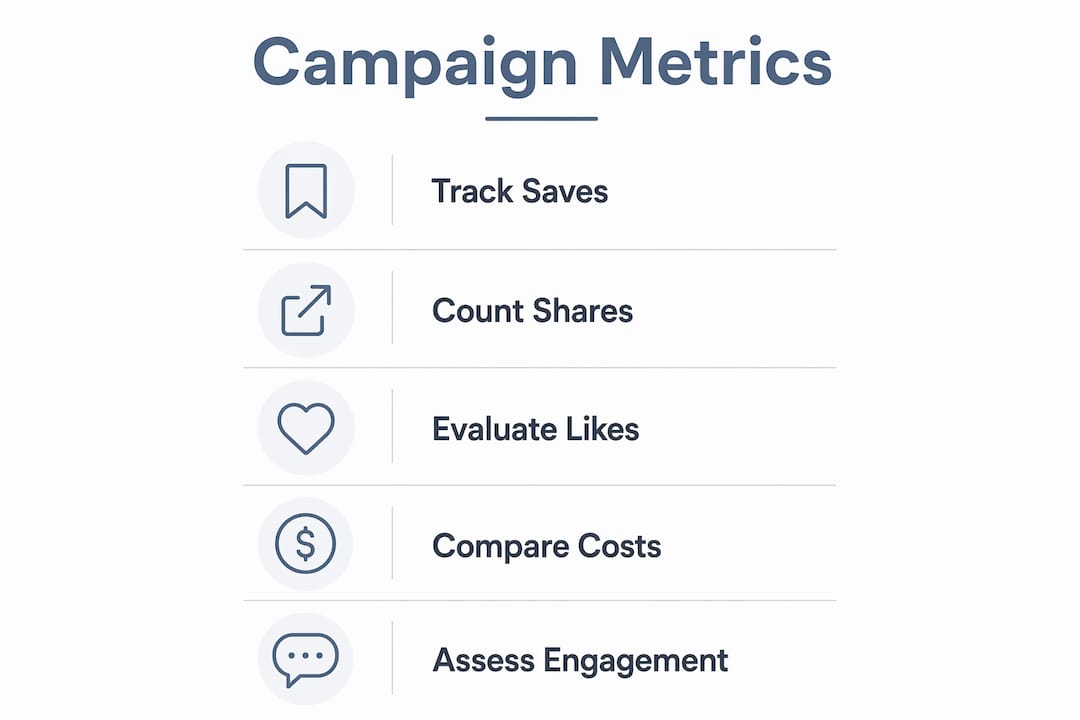
Post-campaign, compare your cost per engagement against the benchmarks from your spec sheet. If a nano creator delivered a 7% engagement rate and three weeks of organic reach, that result informs your next brief more usefully than any vanity metric.
Bridge PR manages food influencer campaigns for Queensland venues
Running a food influencer programme in-house takes time most venue operators do not have. Bridge PR handles the full process for Brisbane restaurants, cafés, and bars: creator sourcing, vetting, brief writing, campaign management, and performance reporting, all within a monthly subscription.
The difference from a generic agency is specificity. Bridge PR works exclusively in hospitality, which means the creator network is already built, the vetting criteria are calibrated to local audiences, and every collaboration is designed to drive bookings and content, not just impressions. If you want a hospitality influencer programme that runs without adding to your workload, get in touch with the Bridge PR team.
Key takeaways
Finding the right food influencers for an Australian hospitality venue requires clear goals, local audience verification, and engagement quality checks before any outreach begins.
| Point | Details |
|---|---|
| Goals before search | Define awareness, foot traffic, or UGC objectives before building your creator shortlist. |
| Engagement over follower count | Micro-influencers typically deliver engagement rates of 3–6%, while nano creators often reach 5–10%. |
| Location tag mining | Search your venue's geo-tag to find creators who have already visited in person. |
| Legal disclosure | Australian guidelines require prominent paid or gifted disclosure at the start of every caption. |
| Bridge PR | Manages end-to-end food influencer campaigns for Brisbane venues on a monthly subscription. |
FAQ
How do I find food influencers in Queensland?
Search Instagram and TikTok using Brisbane-specific hashtags and location tags, then filter to the Recent tab to surface active local creators. Mining your own venue's geo-tag reveals creators who have already visited.
Is follower count a reliable vetting measure?
No. Engagement quality and sponsorship density are far more predictive of campaign outcomes than follower count, which includes inactive accounts and audiences outside your market.
What disclosure rules apply to influencers in Australia?
The ACCC and the AANA Code of Ethics require clear, prominent disclosure of paid or gifted arrangements, with labels like "#ad" or "#gifted" placed at the start of a caption, not buried in hashtags.
What engagement rate should I expect from food micro-influencers?
Food micro-influencers typically deliver engagement rates of 3–6%, while nano creators often reach 5–10%, making smaller creators a strong fit for local hospitality campaigns.
Can Bridge PR handle influencer sourcing for my venue?
Yes. Bridge PR offers monthly subscription packages for Brisbane restaurants, cafés, and bars that cover creator sourcing, vetting, campaign management, and reporting within the hospitality marketing space.